
The problem
Why physical photography breaks down for industrial products
For complex, configurable, engineering-led products, physical photography hits a wall well before the catalogue does. Product variants multiply. Internal value is invisible. Pre-production timelines mean the launch deadline arrives before the prototypes do.
Variants multiply
Each finish, port configuration, and accessory needs its own image. Photography can only shoot one version at a time. CAD-based visualisation generates every variant from the same source.
Core value is hidden
When the innovation lives inside the system, in the firmware, or in how the product behaves under load, an external photo cannot tell that story. Cutaways, exploded views, and interactive viewers can.
Launch precedes the prototype
Sales decks, product pages, and trade-show materials are needed before the first physical unit lands. CAD data exists months earlier. Visualisation closes the gap.
What is delivered
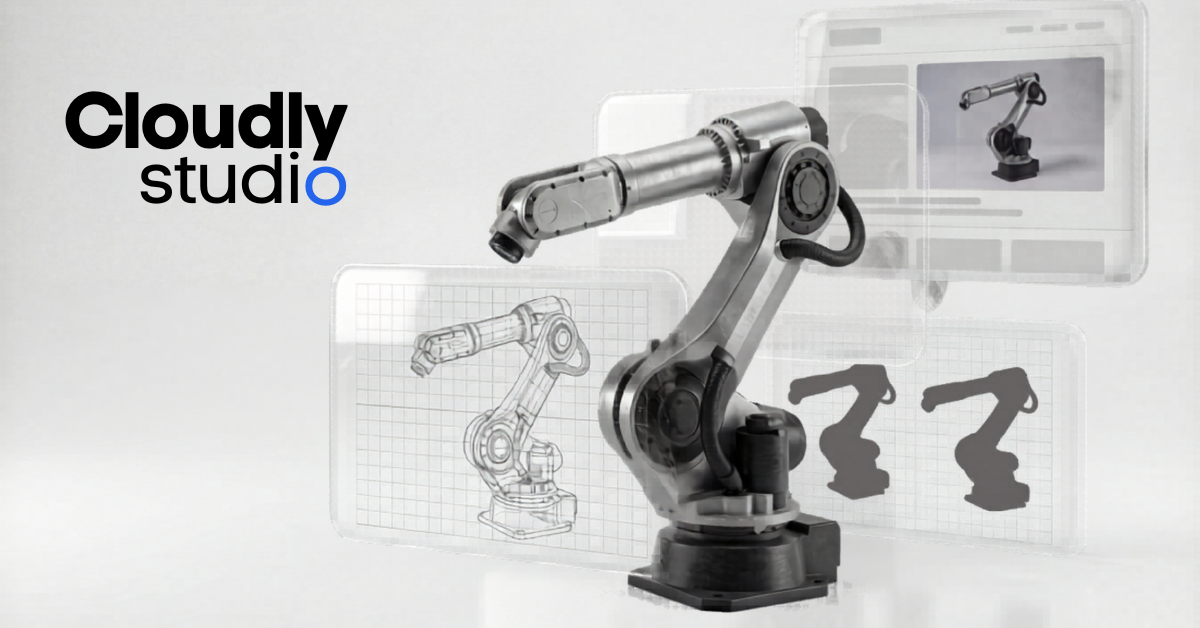
CAD to launch-ready product visuals
Three core deliverables, built directly from your CAD source files. No physical samples required, no photoshoots scheduled.
- Photoreal 3D product renders
- High-fidelity still renders of every product variant in your catalogue. Standardised lighting, camera angles, and materials across the full range. Ready for spec sheets, product pages, and print. Delivered as layered TIFFs for maximum flexibility.
- 360° product spins and animations
- Smooth rotation views and product animations rendered from CAD. Web-ready video formats for product pages, sales tools, and trade-show presentations.
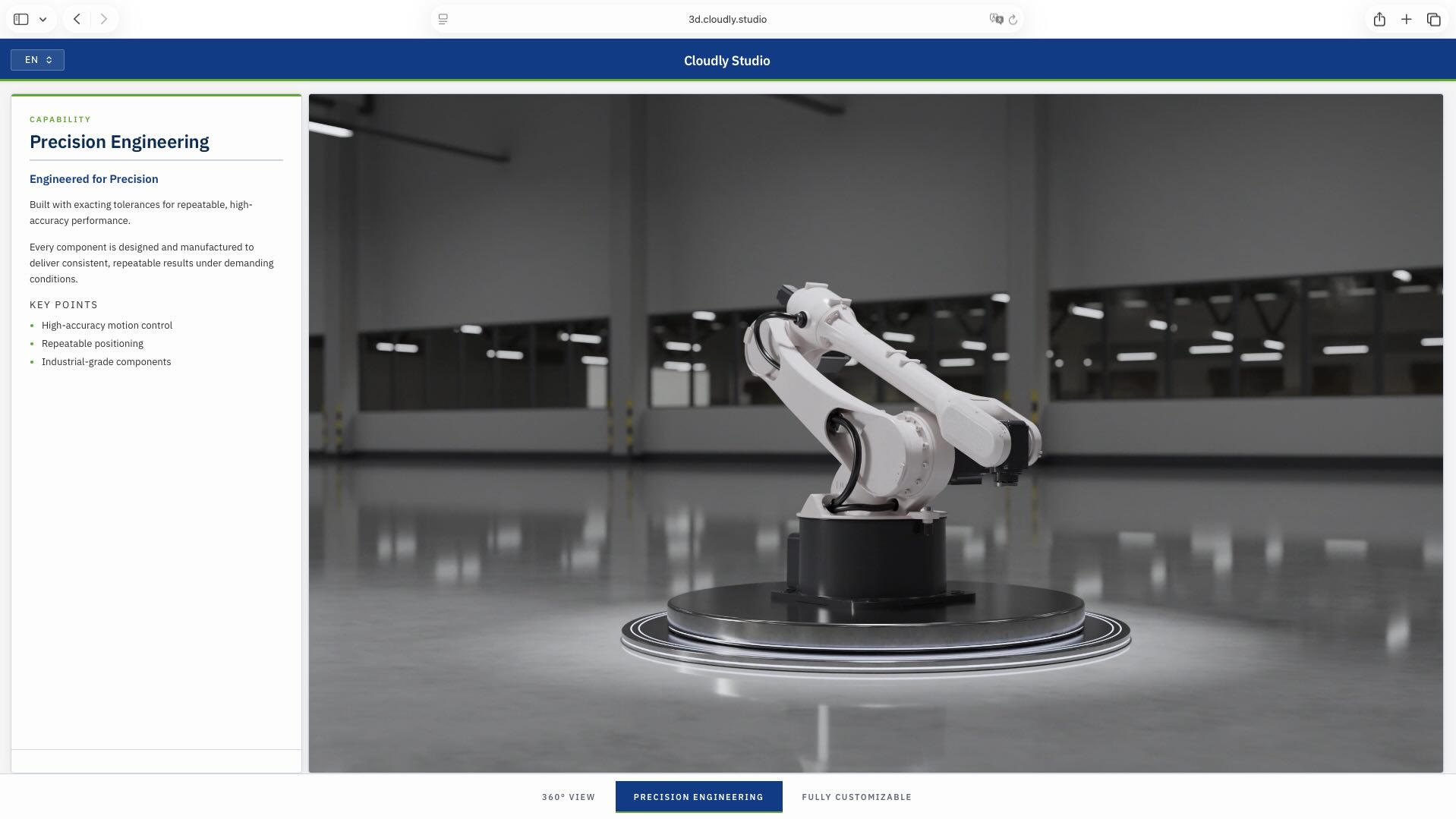
- Interactive 3D product experiences
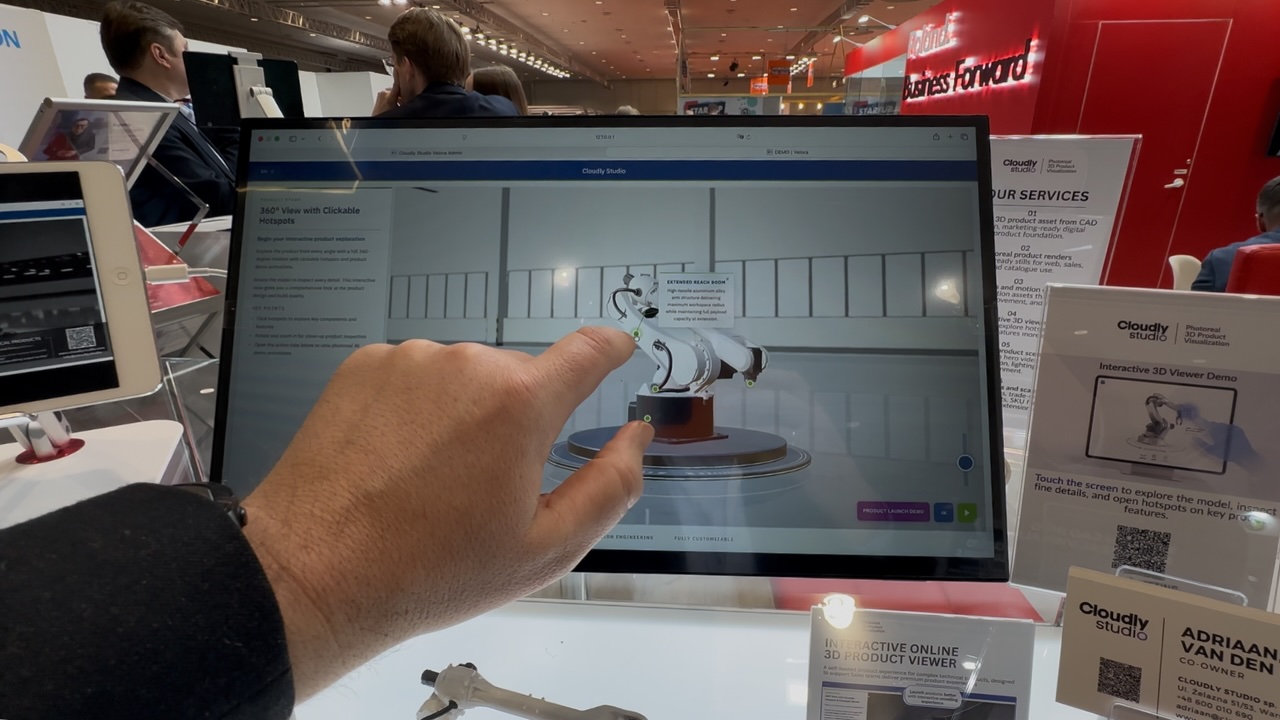
- Embeddable product viewers that let prospects rotate, explore, and interact with your products in their browser. Cloud-hosted or deployed on your own infrastructure, with motion, hotspots, cutaways, and guided product information.
Learn more on cloudlystudio.com →
Learn more on cloudlystudio.com →
Learn more on cloudlystudio.com →
Who this fits
Built for complex products and variant-heavy catalogues
Engineering-led brands shipping configurable, technical, or precision products: industrial components, lab equipment, medical devices, drives and motors, sensors, IoT and connectivity hardware, robotics, fluid power systems. Teams with growing catalogues and multiplying variants where traditional photography creates bottlenecks rather than solving them.
Where it pays off
Use cases
Product launches
Launch-ready visuals before physical units are manufactured. Brochures, product pages, and announcement assets in parallel with engineering.
Product pages
Photoreal renders, 360° spins, and interactive viewers that replace inconsistent product photography across long catalogues.
Sales enablement
Visual assets that help account managers, technical sales, and distributors explain complex products in remote and in-person conversations.
Trade-show follow-up
Convert a five-minute booth demo into a sharable interactive experience that buyers can revisit after the show.
Distributor materials
Consistent, brand-controlled visuals that distributors and resellers can use across regions without scheduling local photoshoots.
Interactive product explainers
Embeddable 3D viewers with hotspots and cutaways for products where the value lives inside the system, not on the outside.
How a project starts
Pilot workflow
Most engagements start with a single product or product family, then scale once the visual rules are validated.
- 1
Choose one product or product family
Start with a single product or a tightly scoped family. Variant-heavy catalogues are the natural fit.
- 2
Review CAD and source files
STEP, IGES, native CAD, technical drawings, and reference imagery are reviewed against the visual goal.
- 3
Define visual rules
Lighting, camera angles, materials, backgrounds, and naming conventions are locked so every variant looks like it belongs to the same system.
- 4
Create the first assets
Photoreal renders, 360° spins, or an interactive viewer for the chosen product. You validate quality and workflow before scaling.
- 5
Scale across variants
Batch rollout across the rest of the family or catalogue. Typically 5 to 15 SKUs per batch for consistency and speed.
Client spotlight
From CAD files to launch-ready visuals
A Swiss industrial equipment manufacturer needed to present a complex product range that was difficult to photograph consistently and impractical to demo remotely. Cloudly Studio built a full set of photoreal renders, 360° spins, and an interactive 3D product experience directly from their STEP files, all before physical units were available.
The result: their engineering and marketing teams could move forward with launch materials, product pages, and sales presentations without waiting for prototypes or scheduling photoshoots.
Swiss industrial equipment manufacturer
For listed suppliers
Already listed in Tech for Industries?
If your company manufactures complex products, Cloudly Studio can help turn your CAD files, technical documentation, and product data into clearer visual assets for product pages, sales teams, distributors, and trade-show follow-up. The visualisation engagement is independent of your directory listing.
Talk to Cloudly StudioInsight from Hannover Messe 2026
The growing gap in industrial product presentation
At Hannover Messe 2026, the gap between product innovation and product presentation became impossible to ignore. Some technologies on display were genuinely impressive, but their value was not always immediately obvious to buyers.
When products are highly configurable, when the core value is hidden inside the system, when physical demos are impractical, that is where presentation stops being "nice to have" and becomes a critical part of launch strategy, sales enablement, and customer education.
Read the full Hannover Messe analysis →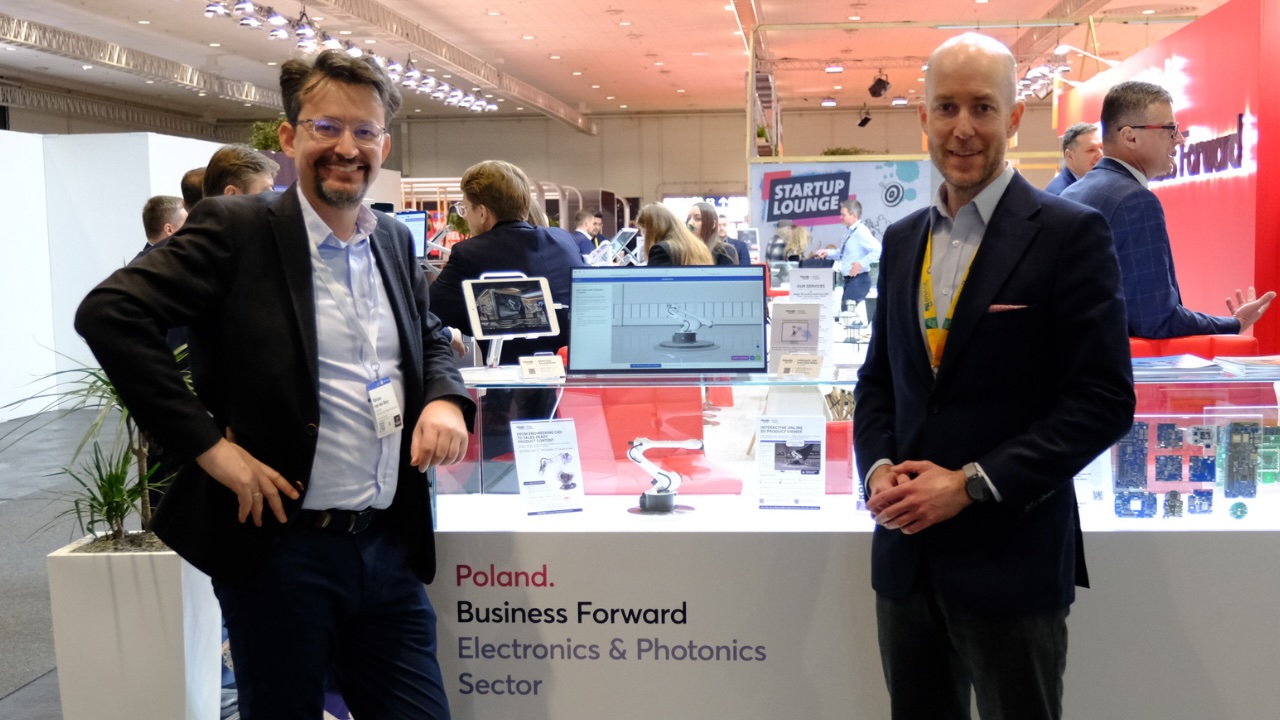

Exhibited at Hannover Messe 2026
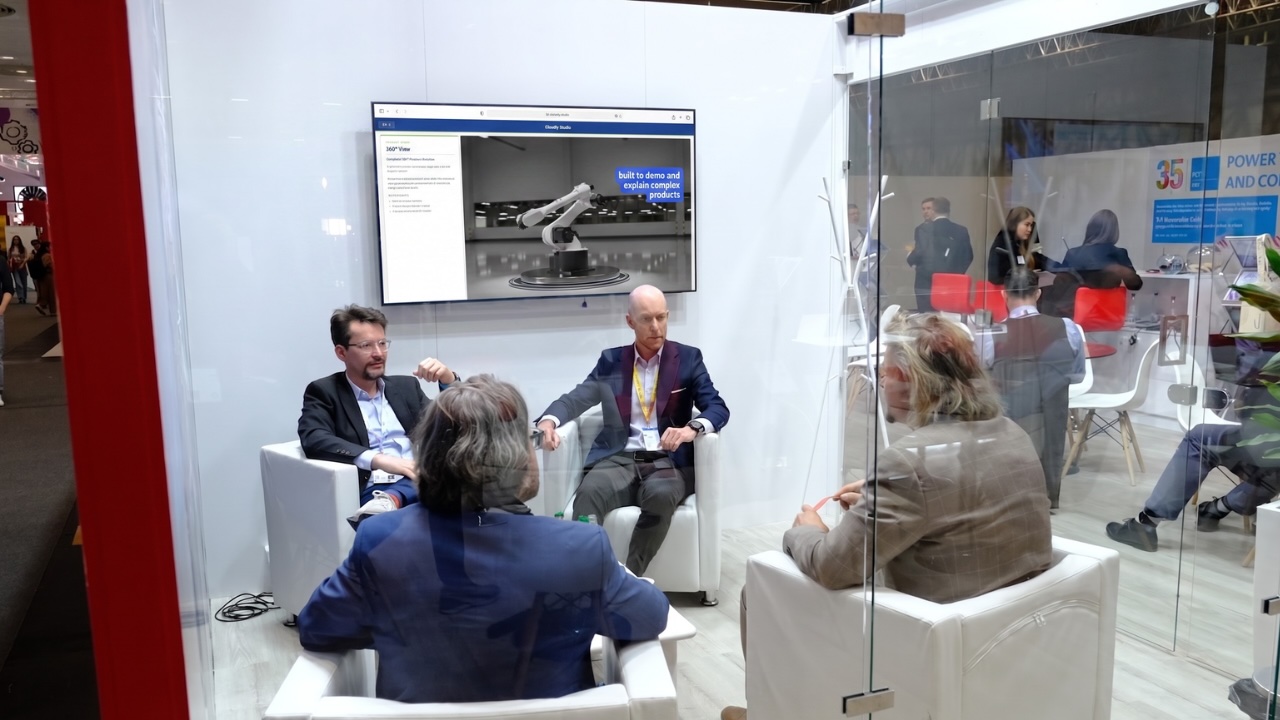
Cloudly Studio exhibited at Hannover Messe 2026, the world's leading industrial technology fair, showcasing the 4K product unveiling workflow and engaging with manufacturers from across Europe who face the same challenge: making complex products easier to explain, present, and sell. Read the Hannover Messe insights →
Start with one product
The fastest way to see whether CAD-based visualisation fits is to run a single-product audit. Cloudly Studio reviews your source files, defines visual rules, and produces a first asset before any catalogue commitment.